
No, in almost every case. Once an Authorised Treatment Facility issues a Certificate of Destruction and it is logged with the DVLA, the vehicle’s registration is permanently closed. The DVLA has stated directly to the ATF industry that requests to reverse a CoD notification will, in the first instance, be refused, and there is no legal basis under current regulations for removing one once it has been issued.
That last phrase, “in the first instance,” matters, and it is why this question keeps coming up even though the DVLA’s own position is about as firm as government guidance gets. It suggests a process exists for requesting a reversal, even if the outcome is refusal almost every time. If you are reading this because something has gone wrong with your own vehicle, the honest starting point is knowing the odds are against a reversal, but that does not mean nothing is worth checking. The rest of this guide covers why the DVLA’s position is so firm, the specific situations where people genuinely need to ask, and what limited recourse exists.
What a Certificate of Destruction Actually Finalises
A Certificate of Destruction, or CoD, is issued electronically by a licensed Authorised Treatment Facility once a vehicle has been depolluted and processed. The legal basis for the CoD system sits in the End of Life Vehicles Regulations 2003 and Section 17A of the Road Vehicles (Registration and Licensing) Regulations 2002.
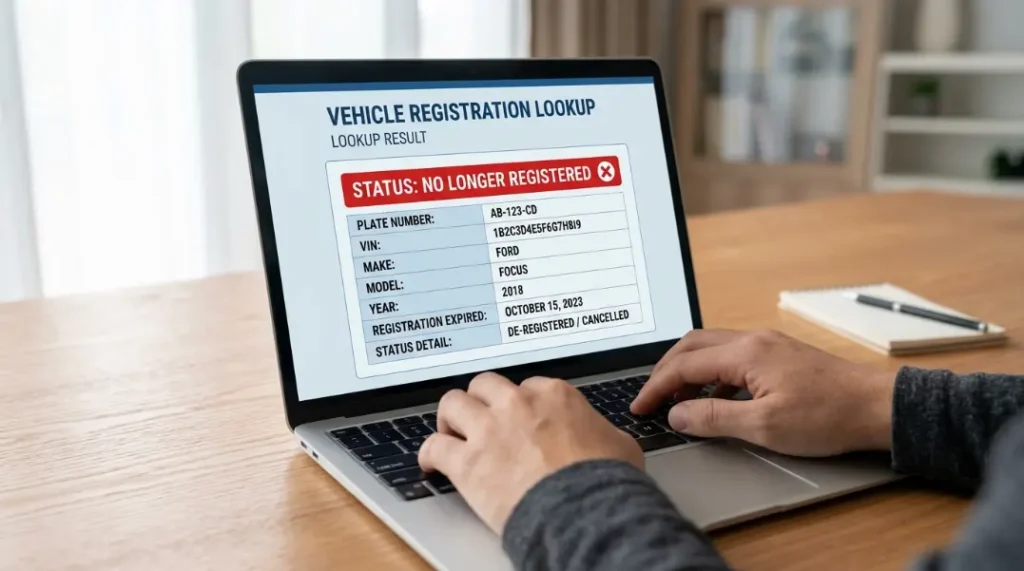
When a CoD is issued, three things happen at once. The vehicle’s record on the DVLA register is permanently closed. The registered keeper is released from all further liability for the vehicle, including road tax, parking penalties, and any offence connected to it after that date. And the vehicle itself becomes permanently ineligible for re-registration, insurance, or road use under that identity, regardless of what physical condition any remaining parts might be in.
This is not a soft administrative flag that gets reviewed periodically. It is closer to a legal death certificate for the vehicle. That finality is precisely why the system exists in the first place, so no half-scrapped car with a murky ownership history can quietly reappear on the road years later.
Why People Search for a Reversal in the First Place
Nobody looks this up out of curiosity. If you have found this page, it is almost certainly because one of a handful of specific situations has happened to you or someone you know.
The wrong vehicle was destroyed.
A registration or VIN gets mistyped, transposed digits, a similar plate at a busy ATF, and a vehicle that should never have been scrapped is processed and closed out. This is rare, but it happens, and it is the scenario the DVLA’s own reversal guidance was written to address.
A vehicle was scrapped without the true owner’s knowledge.
This covers cases involving fraud, a car sold on finance without the finance company’s consent, or a vehicle taken to a yard by someone who was not entitled to dispose of it.
A buyer discovers the car they thought they purchased no longer legally exists.
Someone agrees to buy a vehicle privately, only to later find its registration was closed out by a CoD before the sale completed, sometimes because the previous keeper scrapped it and never told them.
The registered keeper genuinely changed their mind after handover.
This is the one situation where no amount of paperwork helps. Once your car has been physically depolluted at the ATF, there is no vehicle left to un-scrap, regardless of what the DVLA record shows.
The first two are genuine ATF or clerical errors and are the only realistic candidates for any kind of resolution. The last two are not reversal situations at all, they are ownership disputes or a simple fact of the vehicle no longer existing.
What the DVLA Has Actually Said About Reversals
The clearest statement on this comes directly from the DVLA to the ATF industry, reported by trade publication ATF Professional after ATFs raised the issue following a wave of reversal requests. The DVLA’s letter stated plainly that any request to reverse a CoD declaration will, in the first instance, be refused, and confirmed there is no legal basis within current regulations for removing a CoD notification once it has been made.
That wording is deliberate. Government guidance rarely leaves an opening like “in the first instance” without reason. It signals that a formal escalation route exists for the rare cases involving genuine ATF or DVLA clerical error, while making clear that this is not a route available to a registered keeper who simply regrets their decision or wants to argue about a private ownership dispute after the fact.
The distinction matters because a CoD reversal is different from a Notification of Destruction, or NoD. A NoD applies to vehicles falling outside the standard End of Life Vehicles Regulations, such as certain heavier commercial vehicles, and does not close the DVLA record in the same permanent way a CoD does. If your situation genuinely involves a NoD rather than a CoD, the position may differ, and this is worth clarifying directly with the DVLA’s CoD and NoD team before assuming the same rules apply.
What Limited Recourse Actually Exists
If you believe a genuine clerical or ATF error caused your vehicle, or a vehicle you have an ownership interest in, to be wrongly destroyed or wrongly recorded as destroyed, there are a small number of routes worth pursuing, though none of them guarantee a reversal of the DVLA record itself.
Raise it with the ATF directly and in writing.
Every licensed ATF holds records of the vehicle it processed, including the registration, VIN and the identity of the person who presented it. If an error occurred on their end, this record is the starting point for any correction.
Contact the DVLA’s CoD and NoD team directly.
Requests are handled by DVLA’s Digital Operations team in Swansea, and while the stated default is refusal, this is the only official channel through which any exception has ever been considered.
Involve the Environment Agency if the ATF itself acted improperly.
If a facility processed a vehicle outside its permit conditions, without proper identity checks, or in a way that suggests non-compliance rather than honest error, this becomes a regulatory matter for the environmental regulator rather than a simple paperwork correction.
Take independent legal advice for genuine ownership disputes.
In cases involving fraud, undisclosed finance, or a vehicle scrapped by someone without the authority to do so, the practical remedy is very often a claim against the person or business responsible for the wrongful disposal, rather than an attempt to have the DVLA record itself reopened. A solicitor experienced in vehicle or consumer disputes is the right first call here, not the DVLA.
None of these routes are quick, and none change the underlying reality that the DVLA’s stated position starts from refusal. They exist for the genuine edge cases, not as a general appeals process.
How to Make Sure You Never Need This Guide
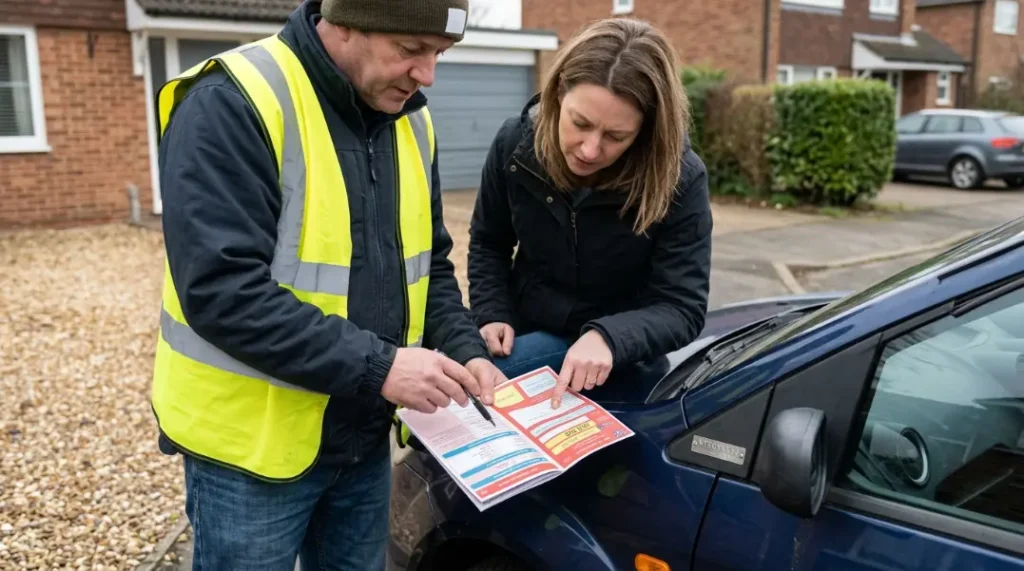
The far better position is never being in a situation where a reversal matters. A few habits close off almost every scenario that leads someone to search for this in the first place.
Confirm the registration and VIN before handover.
When you book a collection, double-check that the registration quoted matches your V5C exactly. This single check prevents the transposed-digit errors that cause most wrong-vehicle scenarios.
Only use a licensed, verifiable ATF.
Ask for the operator’s ATF permit number before booking, or check the Environment Agency’s public register yourself. An unlicensed operator cannot issue a valid CoD at all, which creates a different but equally serious problem: you have no proof the vehicle was ever properly deregistered.
Get your CoD in hand and keep it permanently.
You do not send it to the DVLA, the ATF’s electronic notification already updates the record. But it is your own proof the process happened correctly, and there is no way to have a lost CoD reissued in the same way you can reprint other documents. If you have already read our guide on how to keep your number plate before scrapping your car, the same principle applies here: sort the paperwork before collection day, not after.
Settle any outstanding finance first.
A vehicle with active hire purchase or PCP finance cannot be legally scrapped without the finance company’s consent. Scrapping a financed vehicle without settling this first is one of the more common routes into a genuine ownership dispute after the fact.
Never hand a vehicle to an operator who cannot confirm they work with a licensed ATF.
If you have questions about whether a collection service is legitimate, checking their scrap metal dealer licence and asking directly for their ATF permit number takes two minutes and answers most of the doubt. Our FAQs page covers the other questions people usually have before booking, including how quickly a CoD is issued once your car has been collected.
What This Means If You’re About to Scrap a Car in Greater Manchester
None of this is intended to make scrapping a car sound risky. Genuine wrong-vehicle destructions and clerical errors are rare precisely because licensed ATFs verify registration, VIN and keeper identity as a standard part of every collection. The situations described in this guide are the exception, not the rule, and they almost always trace back to an unlicensed operator cutting corners somewhere in the process.
We work exclusively with licensed ATFs across Manchester, Salford and the rest of Greater Manchester, and every registration is confirmed against your V5C before collection is booked. If you want to see exactly how that verification fits into the wider collection process, our step-by-step guide to how it works walks through it from quote to Certificate of Destruction. When you are ready, you can get an instant quote for your own vehicle in seconds, or contact us directly first if you have questions about a specific situation before booking anything in.
Frequently Asked Questions
Can a Certificate of Destruction be cancelled once issued?
In practice, no. The DVLA’s stated position is that reversal requests are refused in the first instance and there is no legal basis for removing a CoD notification under current regulations. A small number of genuine clerical or ATF error cases have been raised through DVLA’s Digital Operations team, but this is not a standard appeals process available to registered keepers who simply change their mind.
What happens if the wrong car gets destroyed by mistake?
This is one of the only scenarios where any recourse exists. You should contact the ATF directly in writing, request their records for the vehicle involved, and escalate to DVLA’s CoD and NoD team if the error is confirmed. If the ATF failed to follow its own permit conditions, this can also become a matter for the Environment Agency.
Is a Notification of Destruction the same as a Certificate of Destruction?
No. A Notification of Destruction, or NoD, applies to vehicles that fall outside the standard End of Life Vehicles Regulations, and it does not close the DVLA vehicle record in the same permanent way a CoD does. If your situation involves a NoD rather than a CoD, the rules may differ, and it is worth confirming directly with the DVLA which document actually applies to your vehicle.
Can I get compensation if my car was scrapped by mistake?
Compensation is a separate question from reversing the DVLA record, and it depends entirely on who was at fault. If a licensed ATF made a genuine error, you may have grounds for a claim against them directly. This is a legal matter rather than a DVLA paperwork matter, so independent legal advice is the right next step rather than contacting DVLA for a reversal.
How do I check if my car has already been issued a Certificate of Destruction?
You can check a vehicle’s registration status through the DVLA’s own vehicle enquiry service on GOV.UK, which will show whether a vehicle has been recorded as scrapped. If you are the previous keeper and believe this has happened without your knowledge, contact the DVLA directly with your registration number and any evidence of your ownership.